Etched Secures $300 Million to Scale Specialized AI Inference Hardware Production
According to WTVB, Etched has raised $300 million in a Sequoia-led Series C at a $10.3 billion valuation. The company is selling AI inference hardware, not another model layer, and says the capital will expand production and customer deployments.
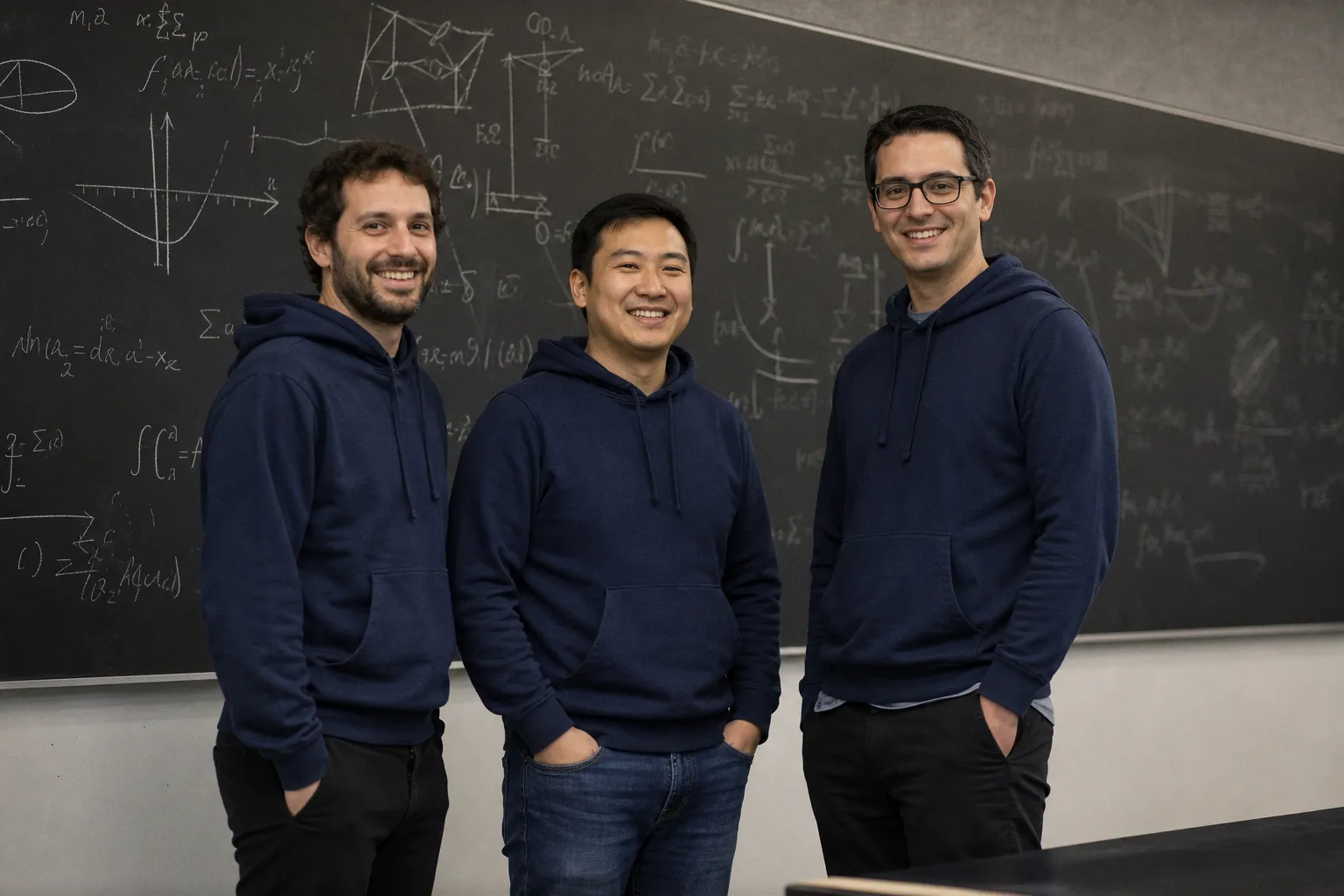
For the AI-chip market, the round is a clear pricing signal: investors are still willing to underwrite expensive silicon bets where the product is close enough to deployment to require factories rather than slides.
A $10.3 billion wager on inference
Sequoia led the round, with Andreessen Horowitz, Jane Street, Diffusion and SK Hynix participating. Etched says this is the highest valuation ever for a Sequoia-led Series C.
That figure deserves more attention than the usual funding-round theatre. Etched is one of the startups aiming at Nvidia’s position in AI chips through hardware designed for inference — the stage at which AI models are run. The company’s valuation now puts a substantial burden on execution: capital must turn into shipped systems, customer deployments and production capacity.
Etched says demand for its inference systems is outpacing supply as customers move from evaluation to deployment. That is the central commercial claim in the deal — and the one that matters. Demand is not revenue; evaluations are not scaled installations. But a startup raising for production rather than merely development is operating on a different burn-rate curve.
The money is headed to production
The proceeds are earmarked for expanding production and customer deployments. Etched recently opened an 80,000-square-foot facility near its San Jose headquarters for production expansion and prototyping, according to WTVB. It has about 400 employees and says it is rapidly expanding.
This is where the cap table meets industrial reality. Building and supplying specialised hardware adds costs and operational exposure that software investors can often postpone: facilities, prototyping, manufacturing throughput and deployment support all require cash before the returns arrive.
The presence of SK Hynix alongside venture firms is notable in that context, though the disclosed information does not specify any commercial arrangement. Jane Street’s participation also adds another investor to a round otherwise anchored by established technology venture capital.
What the market should watch next
The useful test is straightforward: whether Etched converts its stated pipeline from customer evaluation into deployments while increasing output. The company has disclosed the financing, facility expansion and its claim that supply trails demand. It has not disclosed customer names, revenue, unit volumes or delivery timelines.
That leaves the valuation as an investor mark, not a completed operating result. The broader market has seen how quickly growth expectations can be repriced when reported performance falls short — as illustrated by Trent’s $1.56 billion market-value loss after a revenue miss. Etched now has $300 million more to execute its plan. The next numbers that matter are the ones the company has not yet provided.