Nvidia is a victim of the compute marketplace it created
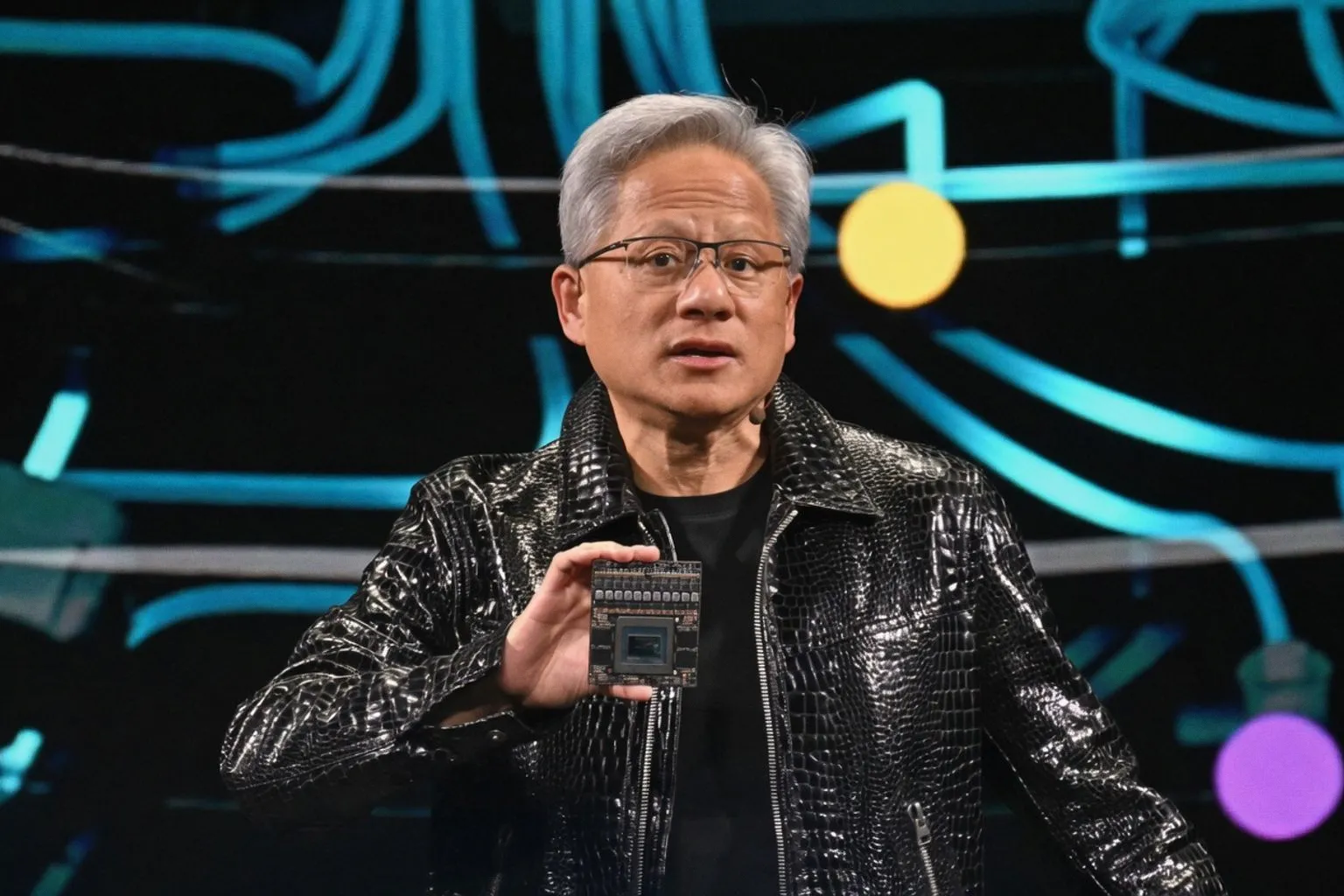
Nvidia’s drawdown is not about weak AI demand. According to TechCrunch, the stock is down 15% from its May peak even as projected revenue keeps rising.
The multiple has shifted, not the story
TechCrunch’s central point is blunt: Nvidia helped create a liquid market for AI compute, and that market is now pricing against it. The company is reportedly trading cheaper than the S&P average on expected earnings — investors are paying less per dollar of projected Nvidia profit than for the typical large U.S. company.
That is a strange outcome for the company still treated as the default engine of AI infrastructure. But markets do not reward mythology for long. They reward scarcity, pricing power and operating leverage. Nvidia still has the technology stack: CUDA, high-end GPUs, and a development cadence few rivals can match. The issue is that the scarcity premium in AI infrastructure has migrated.
The GPU shortage that looked acute last year has eased. Meanwhile, data centers need memory at a pace suppliers have struggled to meet. That is where the money has rotated.
Memory is taking the AI premium
Over the same period in which Nvidia fell from its May peak, Micron has nearly tripled in value, according to the TechCrunch account. The reason is not a sudden rewrite of semiconductor physics. It is a supply-demand squeeze.
High-bandwidth memory has become the toll booth for AI data centers. These chips move data in and out of processors quickly; the category has improved over many years, but the business model changed when demand outpaced supply. TechCrunch reports that memory suppliers have been able to raise prices tenfold over the past year.
That is the kind of pricing power equity markets understand. Nvidia sells the iconic part of the AI buildout. Memory vendors may be selling the part buyers cannot avoid. In a capex cycle, that distinction matters.
There is also a useful lesson here for anyone tracking infrastructure markets: price discovery can turn heroes into vendors and vendors into bottlenecks. The same logic is why adjacent digital infrastructure markets increasingly care about live pricing signals and inventory data, not just brand narratives; a market insights engine for web hosting and domain investors fits that broader shift toward measurable scarcity.
Custom silicon lowers the compute floor
The compute side is getting more crowded. TechCrunch cites Ornn data showing the spot price for an hour on an Nvidia H100 peaked around $3.20 in May and has since declined. That tracks the stock move: if Nvidia’s value is tied to compute pricing, falling spot rates become a valuation problem.
Wayne Nelms, Ornn’s co-founder and CTO, framed the gap as basic supply and demand. Google, Amazon, Microsoft and OpenAI have launched custom processors to reduce dependence on Nvidia. These chips do not need to beat Nvidia’s best product to pressure pricing. They only need to be good enough to add supply and cap the premium.
His line is the cleanest summary: more GPU and accelerator players are entering the market; everyone wants their own silicon, but no one is making their own DRAM.
That is the sober read. Nvidia is not suddenly a weak company. Its revenue expectations are still growing, and its technical position remains formidable. But the AI trade is no longer paying any multiple for “GPU scarcity” on faith. The market is following the bottleneck — and right now, the bottleneck has moved off Nvidia’s cap table.