Shapiro Administration Highlights the Need for Funding to Grow Pennsylvania’s Innovation Economy During Visit
A proposed deployment of nearly $100 million in state funding anchors Pennsylvania’s new Innovate in PA 2.0 initiative, designed to subsidize the local innovation economy.
Subsidizing the Cap Table
The proposed allocation under the 2026-27 state budget represents a public intervention to support industries where private venture capital faces long liquidity horizons. The funding targets key sectors including robotics, technology, energy, manufacturing, life sciences, and agriculture. By injecting non-dilutive state capital into the ecosystem, the administration hopes to lower the burn rate of local hardware and biotech startups. While private venture capital increasingly demands rapid paths to monetization, state-level subsidies serve as a buffer for companies dealing with heavy upfront infrastructure costs.
The Infrastructure Play at Thermo Fisher
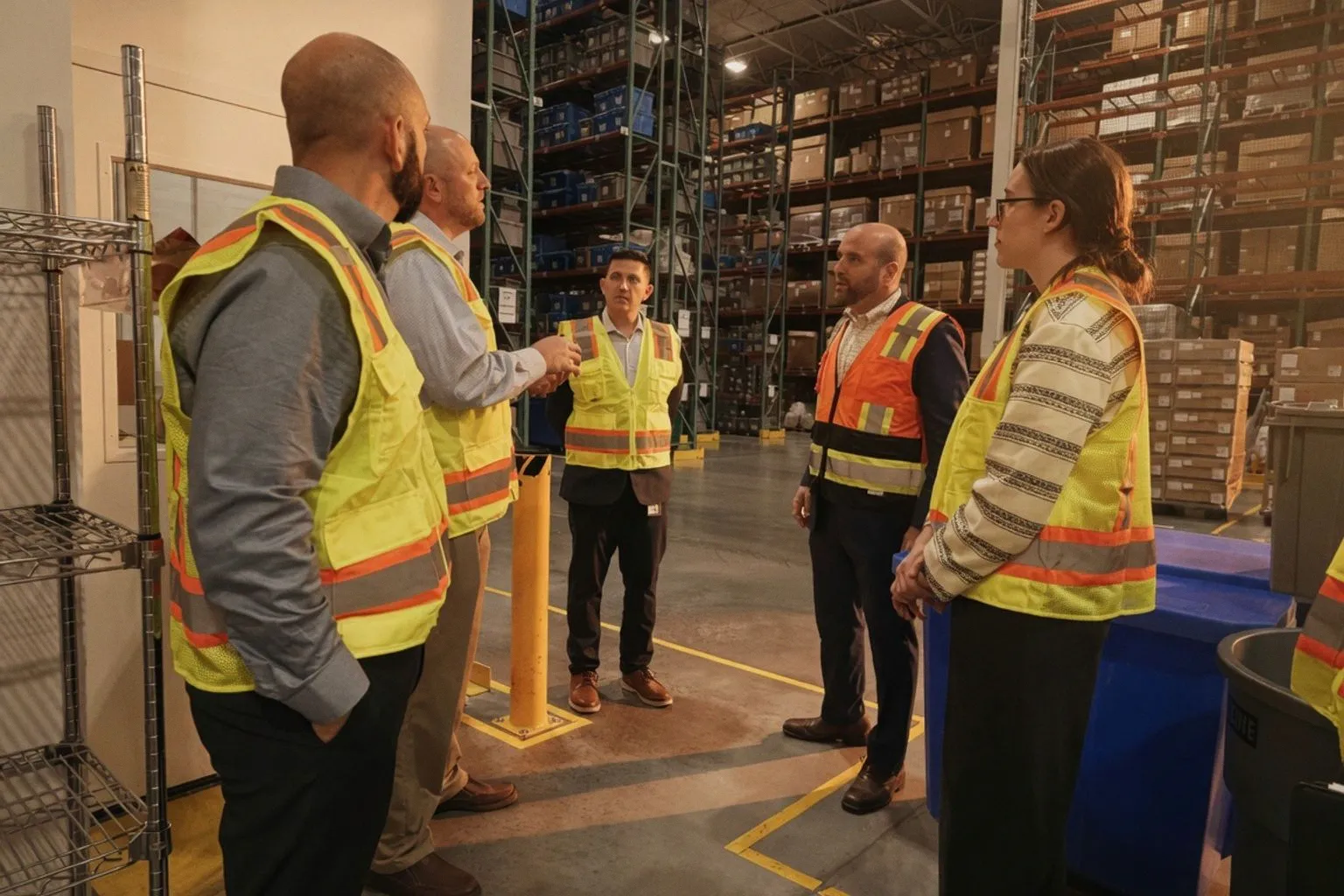
The choice of Thermo Fisher Scientific’s Dauphin County facility as the backdrop for the funding pitch underscores the capital-intensive nature of the state's target sectors. The Millersburg site manufactures single-use equipment—such as sterile bags, containers, and tubing systems—critical to biopharmaceutical production. Thermo Fisher has expanded its infrastructure and cleanroom spaces to meet bioproduction demand, demonstrating the scale of capital investment required to sustain manufacturing footprints. For smaller startups in the region, replicating this level of infrastructure without state support or massive dilutive funding rounds remains a primary barrier to growth.
The Macro Reality Check
State programs like Innovate in PA 2.0 can act as a catalyst, but they do not guarantee long-term market viability. A state commitment of nearly $100 million is a modest sum when compared to global venture flows; for context, Chinese AI firms alone pulled in $13.9 billion in venture capital in 2025. Furthermore, state-subsidized growth must eventually transition to private market self-sufficiency. If Pennsylvania’s startups cannot leverage these public funds to achieve sustainable unit economics and attract follow-on private funding, the state risk-sharing model will merely delay the inevitable reckoning for capital-inefficient operations.