Switzerland Deep Tech Ecosystem Report 2026: AI, Robotics, and Funding Trends - News and Statistics
Switzerland's deep tech machine minted a record $2.6 billion in 2025 — roughly five times the 2015 tally — per the Deep Tech Ecosystem Report 2026, unveiled at VivaTech Paris on June 17 by Deep Tech Nation Switzerland and partners.
That gap between pipeline and ownership is the only number that matters.
The funnel is European, the checkbook isn't
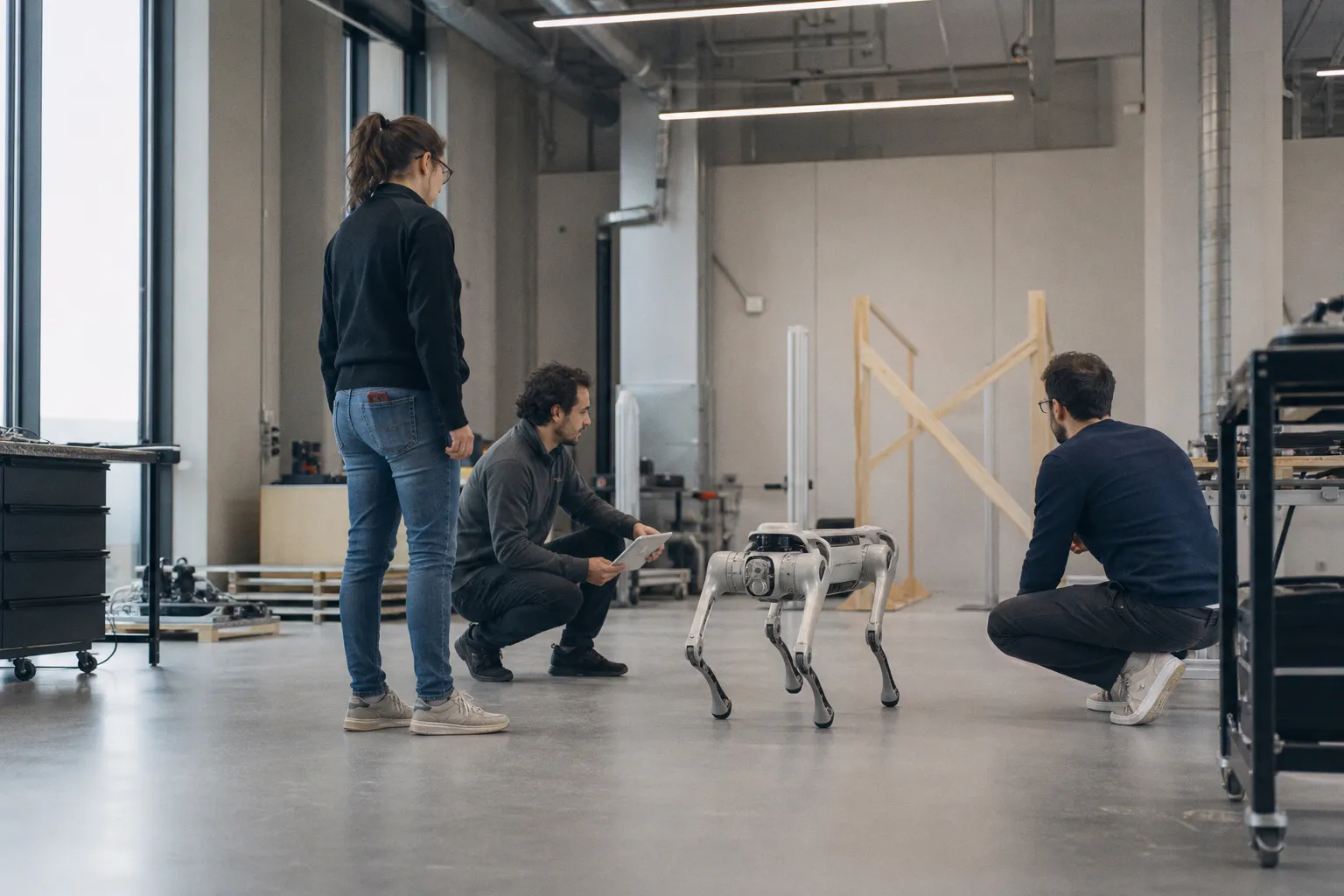
ETH Zurich and EPFL keep feeding the system at a pace no neighbor matches. Since 2020, Switzerland has produced 3.5 times more venture-funded robotics startups per capita than the United States and five times more than the United Kingdom. One in four new Swiss deep tech firms sits in AI or machine learning, and the country posts the world's highest concentration of AI researchers. Advanced computing is on pace for a record 2026, riding a base of microelectronics and high-precision sensor talent.
None of that solves the late-stage liquidity problem. In rounds north of $100 million, domestic capital wrote roughly 12% of the checks. International funds wrote the rest — and, per the report, increasingly arrive without being courted. The structural effect: Swiss founders scale on Swiss soil, but growth-stage equity migrates offshore. Exits, strategic calls, and board dynamics drift toward non-Swiss LPs precisely when multiples compound fastest.
Watch the Series B tape
The report calls the current early-stage cohort the largest Switzerland has produced, "only now entering the stage where growth accelerates most rapidly." Translation: a wave of seed-to-Series A graduates is about to hit a capital pool that doesn't really exist at home. A separate profile cited in the write-up — AgNavigator's country note — frames the broader issue as an "agtech paradox" repurposed for deep tech at large: elite innovation capacity running into a small home market that forces every scaling company to court foreign capital and foreign exits.
Two things to track. First, whether Swiss pension funds and family offices reweight toward late-stage domestic rounds — the only structural fix on the table. Second, whether the 88% foreign share holds or climbs; every percentage point up is another slice of Swiss-built IP ending up on foreign cap tables at the moment valuations reset. The headline number is $2.6 billion. The sober number is 12%.