Nvidia and SK Group Forge Massive $500 Billion AI Infrastructure Alliance
According to Tom’s Hardware, Nvidia and SK Group have signed letters of intent for a strategic relationship valued at more than $500 billion.
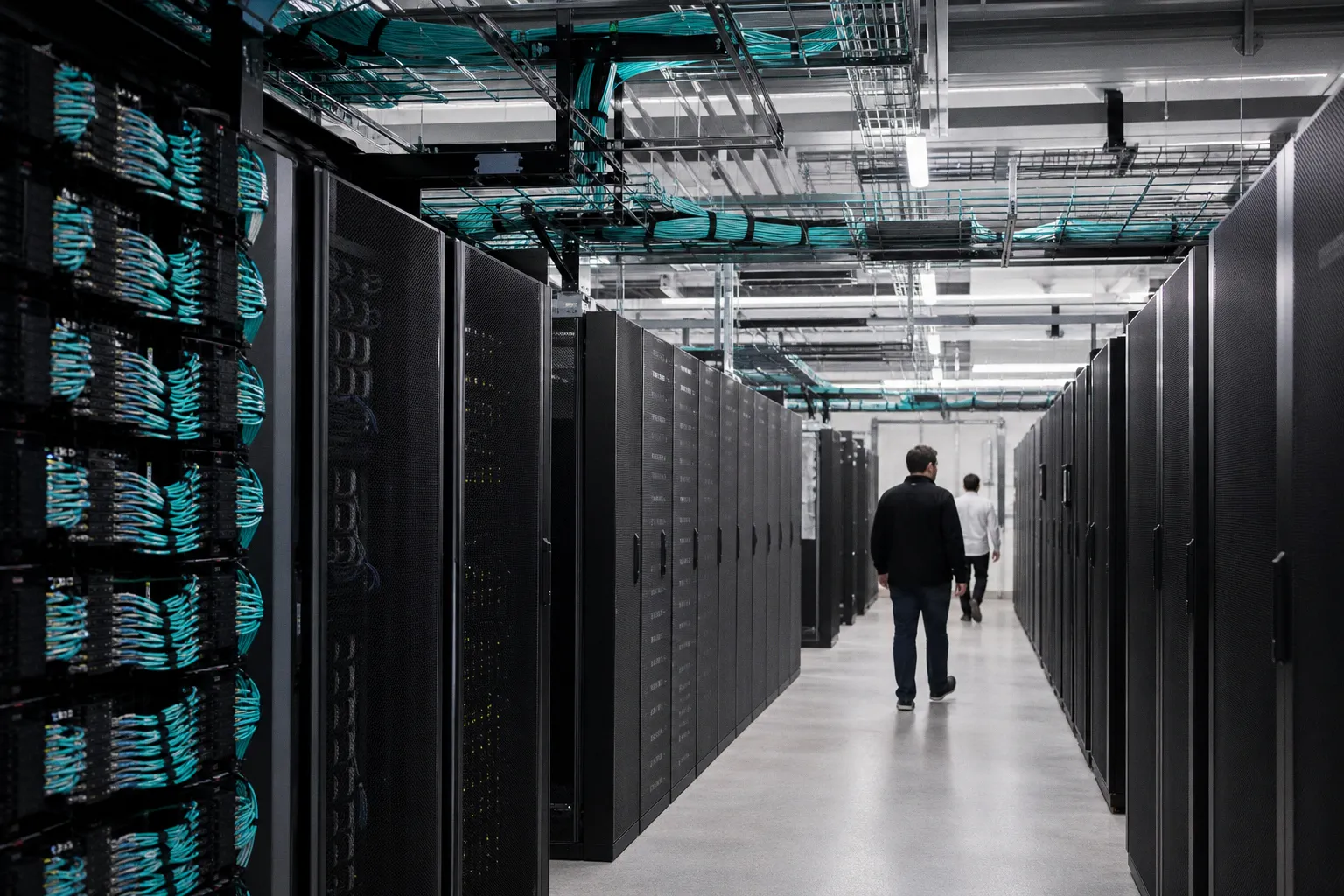
The headline number is not a venture round or a fresh valuation: it bundles expected commercial activity over several years, led by HBM4 memory supply and a planned 2-gigawatt AI data centre in South Korea. For the AI supply chain, that distinction matters. This is a demand framework, not liquidity on a cap table.
A hardware commitment dressed in a very large number
The agreement builds on the multi-year memory supply and co-development arrangement between Nvidia and SK hynix disclosed in June. SK Telecom, meanwhile, plans to build the 2GW facility on Nvidia’s DSX AI factory platform, using Vera Rubin accelerated-computing systems equipped with SK hynix HBM4 memory.
The first data centre is slated to enter service in 2027. The companies say the infrastructure is intended to support sovereign, enterprise, physical and agentic AI deployments in South Korea and across Asia-Pacific.
That leaves plenty of room beneath the $500 billion banner. Nvidia and SK have not disclosed a breakdown between memory purchases, hardware deployments, construction and future expansions. Nor have they specified the eventual configuration of the facility. A large strategic figure makes good copy; the contracted volumes and delivery cadence will determine the revenue reality.
HBM4 is the tighter part of the story
The key asset here is not the letter of intent. It is the attempt to lock memory supply into the next Nvidia platform cycle.
High-bandwidth memory has become a hard constraint in AI-system production, and SK hynix sits directly in that bottleneck. Pairing HBM4 supply with a named destination for Vera Rubin systems gives both sides a clearer route from component allocation to deployed capacity. Nvidia secures a critical input. SK Group secures a major customer and infrastructure role. SK Telecom gets a flagship demand case for a facility measured in gigawatts rather than racks.
The construction bill will extend well beyond GPUs and memory. Power delivery, cooling and materials will carry their own cost base; the wider industrial backdrop includes forecasts that India will require 500,000 tonnes of additional copper refining capacity every five years. The AI factory is increasingly a grid-and-materials trade as much as a semiconductor trade.
Watch the conversion, not the headline
For Nvidia investors, the useful question is whether this converts into disclosed orders for Rubin systems and sustained HBM4 shipments. For SK Group, it is whether the infrastructure build produces durable utilisation rather than a large announced capacity figure.
A 2GW plan is material. But it remains a plan, with the first site not expected in service until 2027. The $500 billion figure should therefore be read as a measure of intended commercial scope, not booked revenue. In AI infrastructure, the burn rate starts when the power, hardware and memory commitments become specific.